
If you are looking for tips for digital nomads in Europe, you are in the right place. Europe sits high on my list for remote work thanks to its mix of culture, transit, and solid infrastructure.
It has an enticing blend of history, culture, and modern infrastructure for digital nomads seeking adventure and productivity. Thanks to where it sits on the map, you can work for employers from all around the world, from America to Australia.
Even as one of the most modern parts of the world, navigating the continent as a digital nomad still takes careful planning in 2026. After being a digital nomad in Europe a few times myself, here are some of my tips for making your experience as pleasant as possible!
1. Choose the Right European Destinations

When selecting your digital nomad base in Europe, weigh cost of living, internet connectivity, and day-to-day quality of life. Popular destinations still give remote workers unique advantages if you want focus during the week and adventure on weekends.
For example, Lisbon, Portugal stands out with affordable accommodation, laptop-friendly cafés, and creative coworking spaces. The city’s low cost of living and high quality of life make it one of the best places for workations and digital nomads.
Budapest, Hungary keeps gaining popularity among digital nomads. It boasts modest living costs, efficient public transport, and hip workspaces. High-speed internet plus a growing digital community are major draws.
Other noteworthy European destinations include:
- Sofia, Bulgaria
- Prague, Czech Republic
- Berlin, Germany
- Barcelona, Spain
I’ve worked from places like Sibiu in Romania too, and cities like these still make remote work in Europe feel both productive and fun.
2. Check Visa Requirements and Regulations
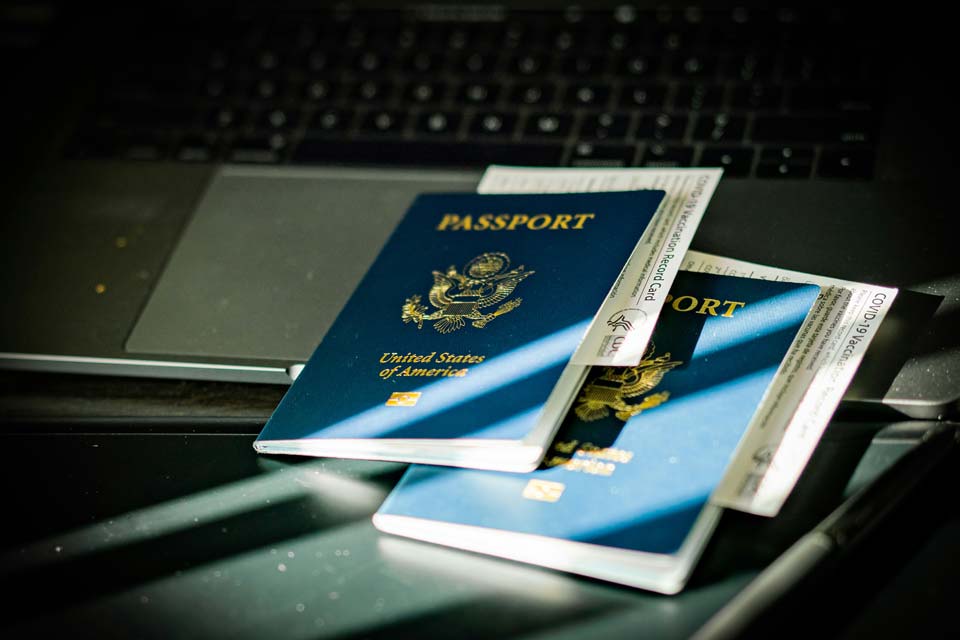
As a digital nomad working remotely in Europe, understanding visa requirements is crucial. Plenty of European countries now offer digital nomad visas to welcome the growing remote workforce.
Research the specific visa options for your desired destinations. Some countries may let you work on a tourist visa for short periods, while others require dedicated work permits. Rules can shift, so always double-check official sources before you book anything for 2026.
Consider these key factors when planning your European remote work journey:
- Visa duration (typically 6-12 months)
- Income requirements
- Health insurance coverage
- Tax obligations
Apply for visas well in advance so processing times do not derail your plans. Each country has unique application procedures and documentation requirements.
Be aware of Schengen Area regulations if you plan to move between countries. The 90/180 day rule limits your stay within the Schengen Zone, so plan city hops carefully.
3. Find Remote Work-Friendly Accommodations
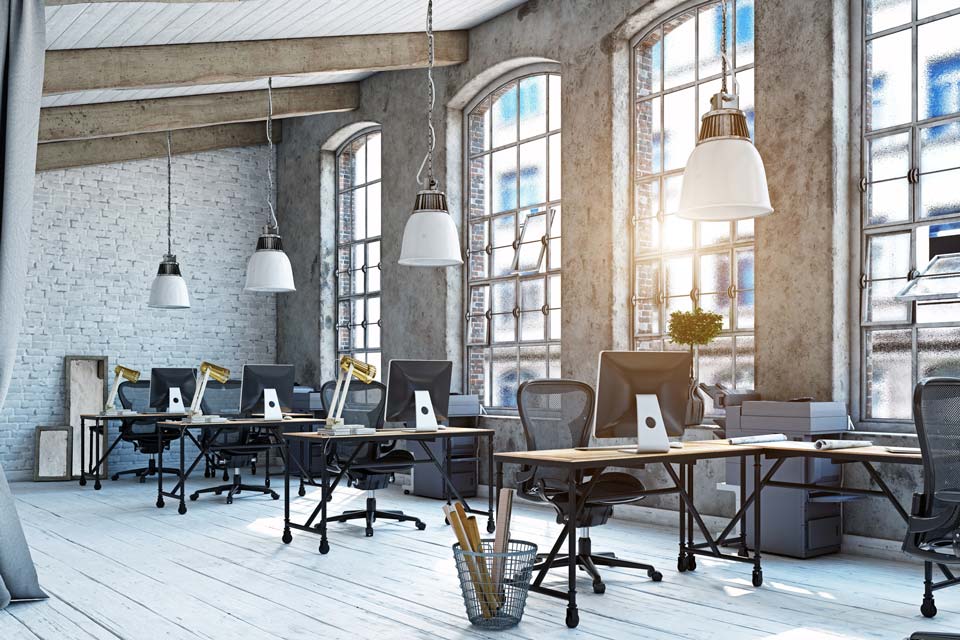
When seeking accommodations as a digital nomad in Europe, prioritize places built for remote workers. Look for rentals with reliable high-speed internet, a dedicated workspace, and comfortable seating.
Consider the following factors when choosing your temporary home:
- Proximity to coworking spaces
- Quiet environment for video calls
- Kitchen facilities for home-cooked meals
- Access to public transportation
Always read reviews carefully before booking. Watch for comments about internet speed, workspace suitability, and how comfortable the place feels for longer stays.
Remember to spell out your work needs clearly with hosts or landlords. Make sure they understand you need a reliable internet connection and a suitable workspace before you finalize any booking. A quick note about Zoom calls and upload speeds has saved me more than once.
4. Manage Finances Across Different Currencies
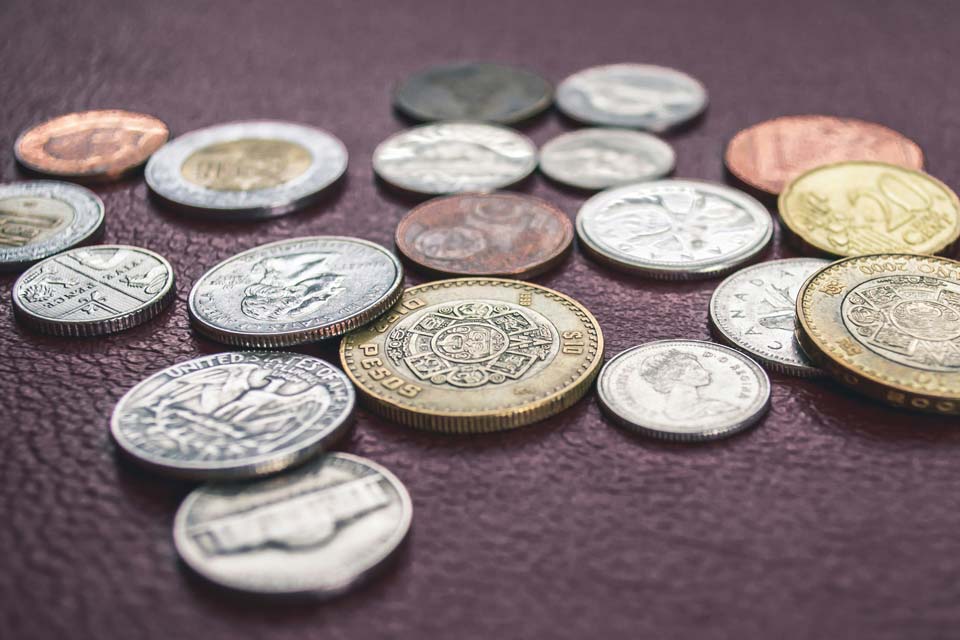
As a digital nomad in Europe, you’ll run into various currencies. To manage your finances effectively, consider a multi-currency digital bank account like Wise. Those accounts let you hold and exchange multiple currencies without relying on poor airport rates.
Even though most countries in Europe now accept bank cards for almost everything, it is still smart to keep some cash with you. I use a Charles Schwab Investor Checking Account for that. They give me a debit card I can use to withdraw money at ATMs with full ATM fee rebates.
Also consider a credit card with no foreign transaction fees. That can save you money on purchases in different countries, especially when you hop between euro and non-euro spots.
5. Stay Connected: Internet and Mobile Services
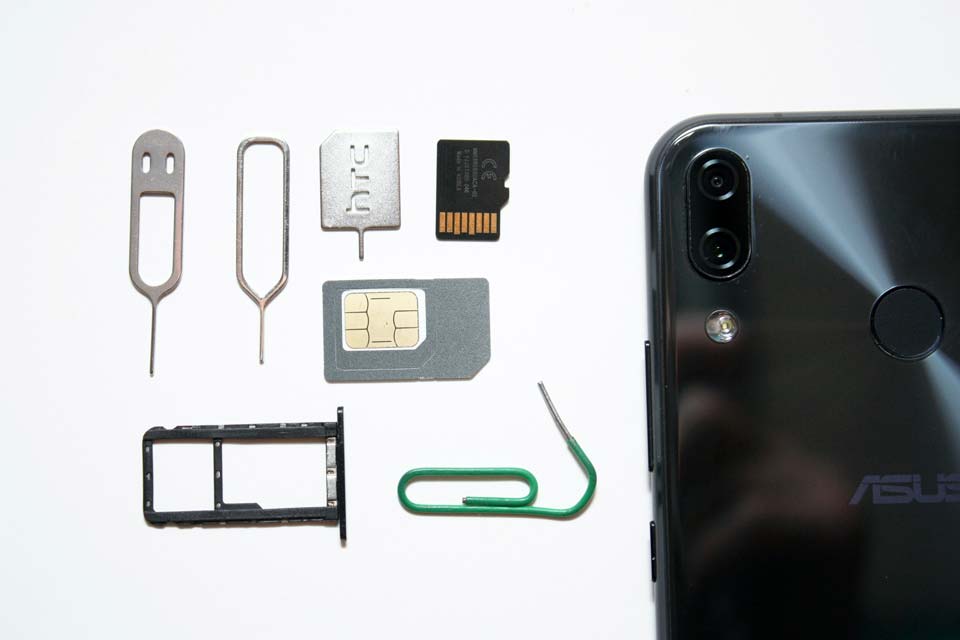
Reliable internet connectivity is crucial for digital nomads working remotely in Europe. Most urban areas offer excellent coverage, but rural regions can still feel patchy.
Many European countries sell affordable prepaid SIM cards for short-term stays. Research local providers at your destination for the best data packages.
Nowadays, I usually go for eSIMs because the prices are about the same and they save plastic. I thought setup would be hard, but when I used an eSIM in Germany, it took no less than 10 minutes to purchase and get connected.
Public WiFi is widely available in cafes, libraries, and coworking spaces across Europe. Still, always use a VPN to protect your data on those networks.
Consider these options for staying connected:
- Local SIM cards
- Portable WiFi hotspots
- eSIM plans
- International roaming packages
- Public WiFi (with VPN)
6. Build a Productive Remote Work Routine
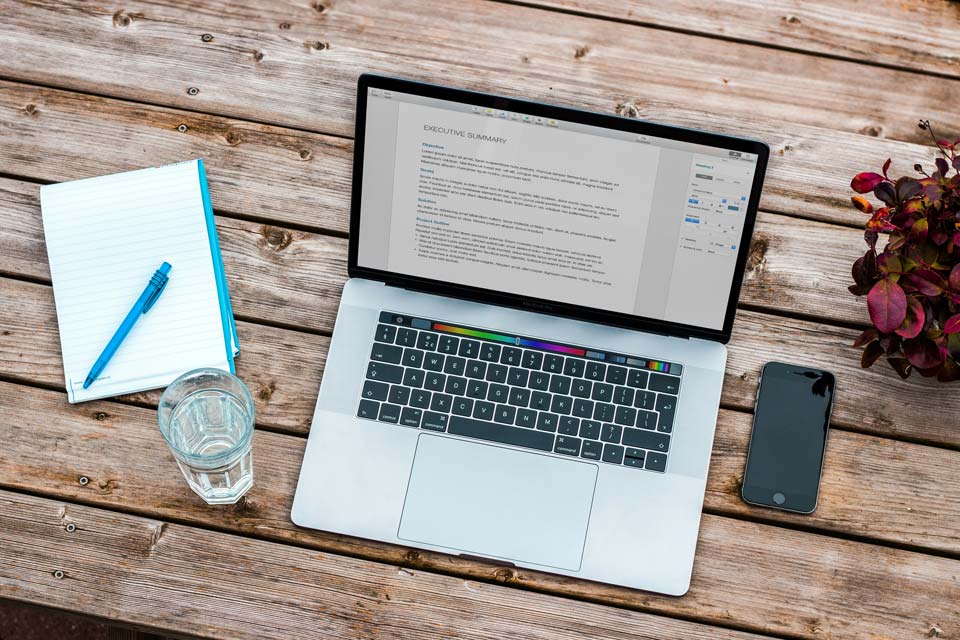
A structured routine is crucial for digital nomads working in Europe. Start by setting consistent work hours that match your energy and your clients’ needs. Protect dedicated work blocks so your work-life balance stays intact even when the scenery keeps changing.
Create a comfortable workspace, even if it’s temporary. Find a quiet corner in your accommodation or seek out local coworking spaces. Make sure you have a stable internet connection and the gear you need.
Break tasks into manageable chunks and set realistic daily goals. Time management techniques like the Pomodoro Technique or time blocking help me stay focused.
Stay organized with digital tools:
- Project management: Trello, Asana
- Communication: Slack, Zoom
- Time tracking: Toggl, RescueTime
Prioritize self-care so productivity lasts. Get enough sleep, move regularly, and explore your surroundings during breaks. That mix keeps me energized and motivated.
Network with other digital nomads nearby. Join local meetups or online communities to share tips and fight isolation. Collaborating with others can boost productivity and creativity, which matters a lot when remote work in Europe means new cities every few weeks.
7. Integrate into Local Cultures and Communities

Immersing yourself in local cultures is key to a fulfilling digital nomad experience in Europe. Learn a few basic phrases in the local language to show respect and open doors. Simple greetings plus “please” and “thank you” go a long way.
Join local events and festivals to understand traditions more deeply. I especially love community gatherings, markets, and cultural celebrations. Those moments make it easy to meet locals and fellow nomads. Places like Sibiu made that feel natural for me.
Try regional cuisines and eat at local spots. Food is one of the best ways to understand culture, and it is a welcome break from laptop meals.
Consider joining digital nomad communities in your destination. Those groups often run meetups and activities that help you meet like-minded people and locals.
Use public transportation and walk neighborhoods when you can. That is how I experience daily life as locals do and find hidden gems in each host city.
8. Get Travel and Health Insurance

As a digital nomad in Europe, managing healthcare needs is crucial. Prioritize comprehensive travel insurance that covers medical emergencies and routine care before you settle into a new base.
Research the healthcare systems of the countries you plan to visit. Many European nations have public healthcare, but access for non-residents may be limited.
Key healthcare items to pack:
- Prescription medications (with copies of prescriptions)
- Basic first-aid kit
- Any necessary medical devices
Stay current on required vaccinations for your destinations. Consult a travel clinic before you leave so you are adequately protected.
Know local emergency numbers and reputable hospitals in each city you visit. Keep that information somewhere easy to reach.
If you have pre-existing conditions, carry a translated medical history and emergency contacts. That can be invaluable if something unexpected comes up.
Remember to look after your mental health too. Staying in touch with loved ones and asking for support when you need it helps with the unique stresses of nomadic life. I sort insurance early so I can focus on work and travel instead of what-ifs.
9. Balance Your Work and Travel

Striking a balance between work and exploration is crucial for digital nomads in Europe. Set clear boundaries and protect dedicated work hours so your work-life balance stays healthy. Build a schedule with productive blocks and real time to experience your surroundings.
Prioritize tasks and break them into manageable chunks. I love using the Pomodoro Technique or time blocking to stay focused and efficient on the road.
Stay flexible with your work schedule so you can handle different time zones and client needs. That adaptability lets you enjoy travel without dropping work commitments.
Tips for balancing work and travel:
- Establish a routine
- Create a dedicated workspace
- Take regular breaks
- Set realistic daily goals
- Communicate clearly with clients about your availability
Remember to unplug and fully immerse yourself in local experiences when you are off the clock. That separation helps you focus during work hours and actually relax afterward. It is also what keeps digital nomads in Europe going strong past the first few weeks.
10. Don’t Forget to Network and Connect with Others

Building connections and growing your career are crucial parts of the digital nomad lifestyle in Europe. Engaging with local communities and using online platforms can meaningfully improve your professional prospects, especially if you stay a month or longer in one place.
Attending Local Events and Meetups
Digital nomad meetups are excellent chances to expand your network and pick up useful insights. Research local coworking spaces, since they often host networking events for remote workers.
Show up at local startup events and tech conferences. Those gatherings are a solid place to learn emerging trends and potentially find new clients or collaborators.
Language exchange meetups can sharpen your communication skills while you meet new people. That dual benefit helps both personal and professional growth.
Using Online Platforms to Connect
Utilize platforms like Meetup.com to find virtual networking events. Those online gatherings help you connect with professionals across Europe. They also host in-person events in cities throughout Europe.
Join digital nomad-specific forums and Facebook groups. These communities offer support, advice, and potential collaboration with fellow remote workers. This is still my favorite way to meet fellow digital nomads.
Final Thoughts
Embracing the digital nomad lifestyle in Europe can be an incredible experience, but stay flexible as cultures and work environments change from city to city.
Prioritize work-life balance and use Europe’s diverse landscapes and rich history in your free time. That seriously helps prevent burnout and keeps motivation high.
The digital nomad lifestyle can get lonely, so make time for networking. Connect with other digital nomads through coworking spaces and online communities.
Last but not least, lock in a reliable internet connection. That should not be a problem in a major European city, but it can get tricky if you wander off the beaten path! With a solid base, clear visas, and a few of these habits in place, remote work in Europe can stay productive and genuinely enjoyable in 2026.
Disclaimer: Some of the links above are affiliate links. That means if you book or make a purchase through the links, we will earn a small commission at no extra cost to you! The money will help run this site! Thank you!
