
Climbing Mount Kilimanjaro is a true once-in-a-lifetime adventure, and it takes you all the way to the roof of Africa. Standing tall at 19,341 feet, Kilimanjaro is the highest mountain on the continent and a bucket-list goal for trekkers and climbers from all over the world.
If you’re up for the challenge, it pays to know what climbing Kilimanjaro really involves before you book anything. Proper preparation is key, especially since the terrain is a lot tougher than your typical weekend hike.
From getting used to the high altitude to choosing the right gear, every part of your journey needs careful planning.
That’s exactly why we put together this updated 2026 guide, so you can learn what it really takes to climb Kilimanjaro!
Where Is Mount Kilimanjaro Located?
Mount Kilimanjaro sits in Tanzania, in East Africa. More precisely, this majestic mountain rises close to the border between Tanzania and Kenya.
Once you’re in Tanzania, you’ll find Kilimanjaro up in the northeast corner of the country, not far from the Kenyan border.
It is just a few hours’ drive from the Serengeti, which makes it easy to pair your Kili climbing trip with an African safari!
How to Get to Kilimanjaro?
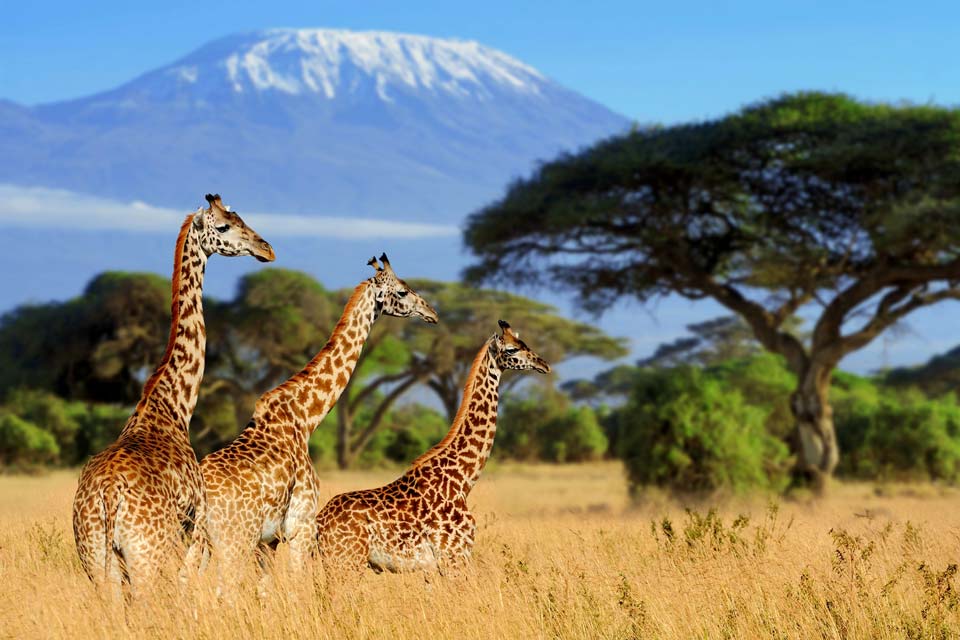
Your Mount Kilimanjaro climb starts with getting to Tanzania. The closest international airport is Kilimanjaro International Airport (JRO), handily located between the cities of Arusha and Moshi. Most trekkers fly straight into JRO, which is served by regular flights from a good number of international airlines.
After you land at JRO, we recommend basing yourself in Moshi. Compared to Arusha, Moshi feels a little more relaxed and a lot less hectic. It is also closer to the mountain, which is why most of the climbs depart from Moshi.
Pro Tip: Once you are in Moshi, give yourself a day or two to rest, acclimatize, and sort out any last-minute preparations for your climb. It’s also a great chance to explore local Tanzanian culture and try the food before you head up the mountain.
Preparing for the Climb
To give yourself the best shot at reaching the summit of Kilimanjaro, you need to pick the right time to climb, get in shape, gather the proper gear, and understand how your body handles high altitude.
Choosing the Right Season
The two best dry seasons for climbing Kilimanjaro run from July to October and from December to February. These months usually bring clearer skies and very little rain, which makes the whole climb far more enjoyable.
Timing really matters for a successful summit. During the rainy seasons, the trails can turn slippery and muddy, and every day on the mountain gets harder.
Physical Conditioning
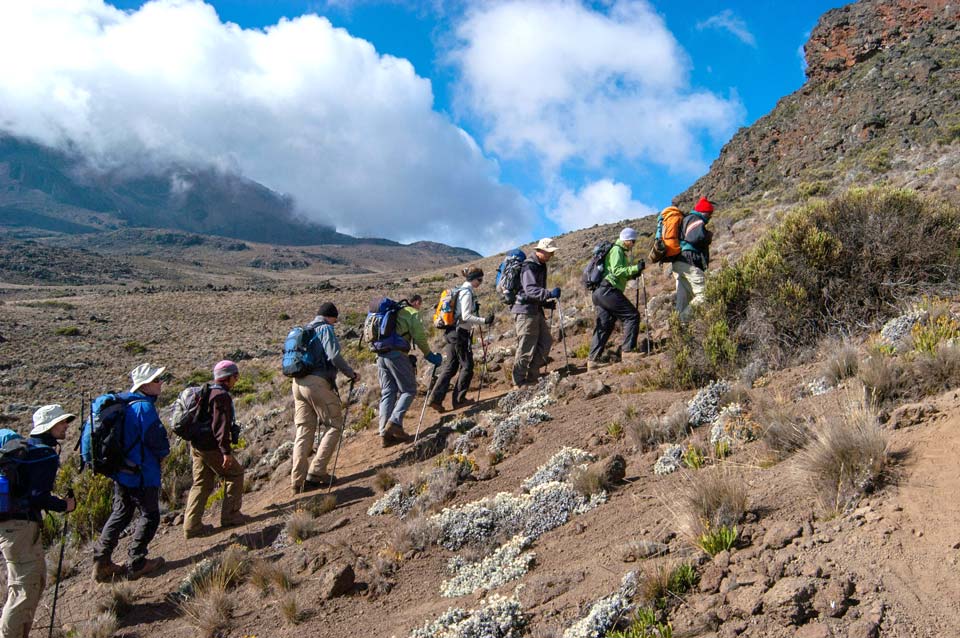
Kilimanjaro is not just a simple walk-up. You need real physical endurance to get through it. Start training several months ahead of your trip and focus on cardio, strength training, and as much hiking as you can fit in.
Long-distance hikes, especially over mixed terrain, will get your legs ready for the back-to-back trekking days waiting for you on the mountain. If you ask us, putting in the training is the single best thing you can do to improve your odds of standing on the summit.
Essential Gear and Equipment
You’ll move through very different climates as you ascend Kilimanjaro, from warm, tropical conditions at the base to freezing, alpine conditions near the top. Here is what you need to pack:
- A waterproof jacket for rain protection
- Fleece jacket and baselayers for warmth
- Technical clothing that wicks away moisture
- Cold weather gear including hats, gloves, and a down jacket
- A warm sleeping bag rated for low temperatures
- Trekking poles (ideally lightweight ones made of carbon fiber)
Many Kilimanjaro companies rent out gear, so check with your operator first before you decide what to haul over from home.
Understanding Acclimatization
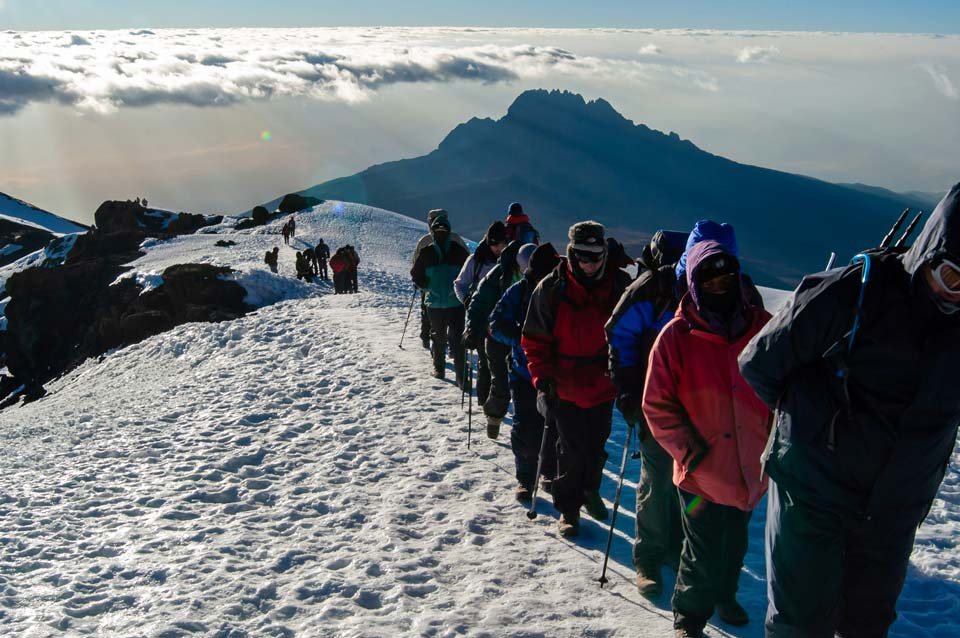
Your body needs time to adapt to the thinner air and lower oxygen levels up high. Climbing too fast is the easiest way to end up with altitude sickness. You can help your body acclimatize by:
- Taking your time to ascend, following an itinerary that allows for gradual elevation gain
- Staying hydrated and eating well
- Sleeping lower than the highest point you reached during the day, whenever possible
Learn the warning signs of altitude sickness before you climb Kilimanjaro. It is one of the most common reasons people don’t make it to the summit, and it hits everyone differently. Even athletes and people who are super fit can suffer really severe altitude sickness, so never assume fitness alone will get you to the top.
Routes to the Summit
There are several routes to the top of Mount Kilimanjaro, and each one comes with its own personality and challenges. Some are busier and more comfortable, while others are more scenic and far less crowded.
Choosing the route that matches your ability is one of the biggest decisions you’ll make when planning your Kilimanjaro climb!
Marangu Route
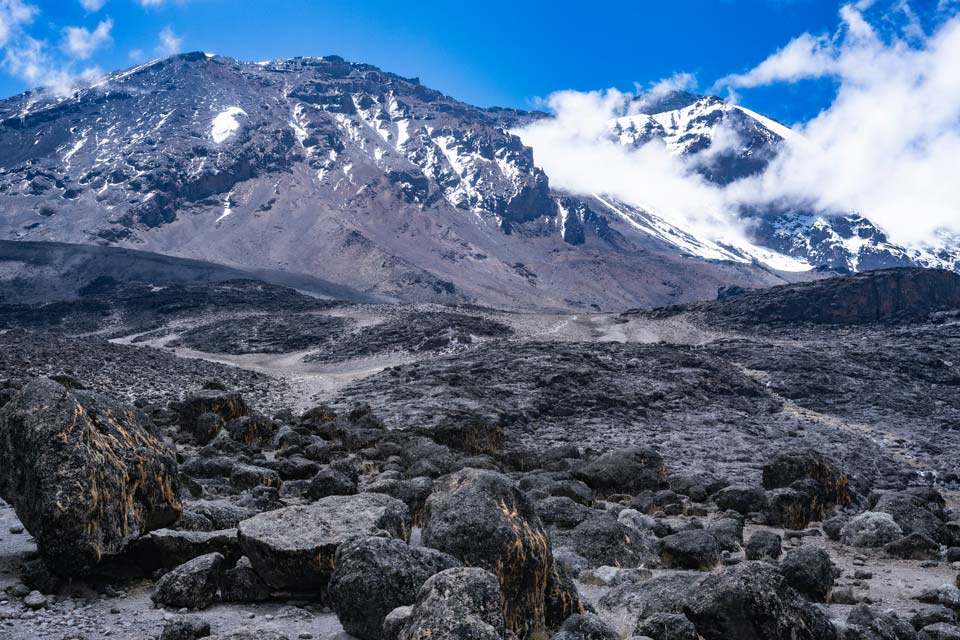
Nicknamed the “Coca-Cola” route, the Marangu Route is the oldest and most established path to Uhuru Peak. It’s the one to pick if you like a more gradual climb and the comfort of sleeping huts at the campsites along the way.
This route usually takes 5 to 6 days. However, Marangu has a lower success rate because there is less time to acclimatize, so we suggest going with the longer 6-day option to give yourself a better shot at the summit.
Machame Route
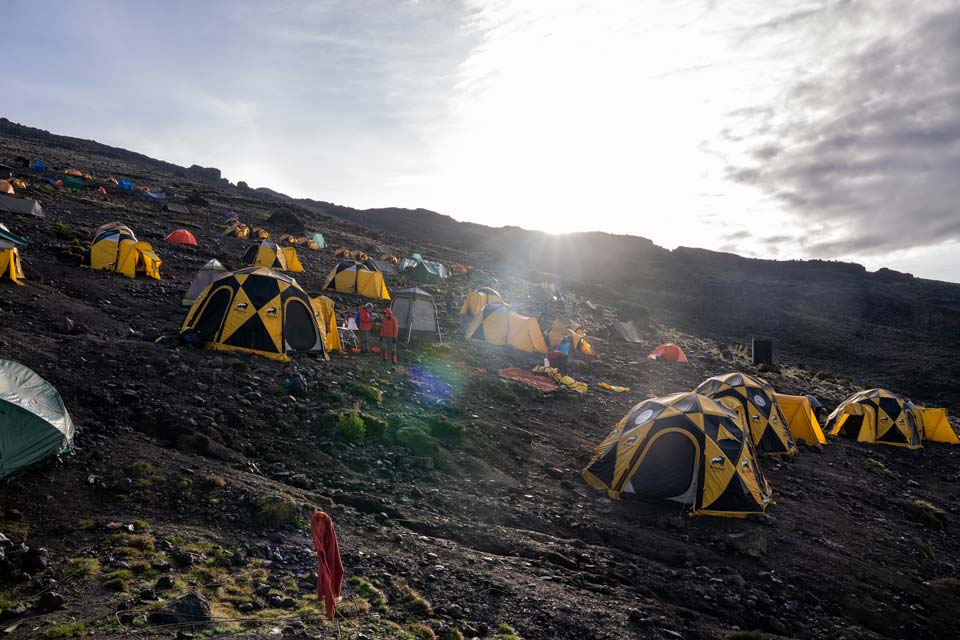
The Machame Route, also known as the “Whiskey” route, is popular for its gorgeous scenery and higher success rate.
You’ll trek through rainforests, moorlands, and alpine deserts on your way to the peak. Unlike Marangu, you sleep in tents on Machame, so you’ll feel a lot closer to nature.
This route is steeper than Marangu and usually takes 6 to 7 days, which gives your body more time to acclimatize along the way.
Lemosho Route
Starting on the western side of Kilimanjaro, the Lemosho Route is a longer and more remote way to reach the summit.
It typically takes 7 to 8 days and makes for a quiet, gradual climb. Along this path you have a good chance of spotting wildlife and soaking up panoramic views as you pass through the mountain’s different climate zones.
Lemosho joins up with the Machame Route after a few days, so you’ll share the latter part of the ascent with other climbers and get the chance to socialize if you feel like it.
Price of The Kilimanjaro Climb
Price is a big factor when you’re planning to climb Kilimanjaro. What you end up paying can vary a lot depending on your route, how many days you spend on the mountain, the level of comfort you want, and the season you go.
Average Cost Range (in USD):
- Budget Climbs: $2,000 – $3,000
- Standard Climbs: $3,000 – $4,500
- Luxury Climbs: $5,000 and above
Treat these as rough ranges and always ask operators for an up-to-date 2026 quote before you book.
Things to Consider:
- Park Fees: A large chunk of your cost goes towards park fees, which every climber has to pay.
- Guides and Porters: You need experienced guides and porters for a safe climb; their wages are included in the total cost.
- Meals and Water: Nutritious meals and purified water are provided throughout your trek.
- Accommodation: This covers the night before and after your climb, plus camping during the trek.
- Transport: Includes transfers from the airport and to the starting point of your climb.
Prices might look steep, but please don’t use that as a reason to go with the cheapest operator you can find. These expeditions cost what they do because they need a lot of logistical planning and full support teams.
A cheaper price often means corners are being cut on the things that matter most, like safety, staff wages, and food quality.
Be wary of low-cost offers that seem too good to be true; they usually are.
Picking The Right Tour Company
The tour company you choose can make or break your Kilimanjaro climb. The most important number to look at is probably the summit success rate. A high success rate is a good sign that the company’s guides know how to pace climbers and manage the altitude.
That said, there are a few other factors worth weighing up.
- Group size: Look at how big the company’s tour groups are. Smaller groups tend to feel more personal, while larger groups can be easier on the wallet.
- Environmental responsibility: Choose a company that is committed to sustainable and responsible tourism, including minimizing its environmental impact and supporting local communities.
- Inclusions: Compare what different tour companies include, such as accommodation, meals, transportation, and equipment. Make sure the company you pick covers the amenities and services that matter most to you.
- Emergency protocols: Confirm how they handle altitude sickness or evacuation.
Finally, think about value for money. Your climb is an investment, so look for the right balance between cost and the quality of service you get. Base your decision on clear, factual information that fits your needs and expectations for the climb.
Final Thoughts
Climbing Kilimanjaro is one of the most remarkable achievements in the hiking world. But as you probably know by now, it is no easy task. Training your body is crucial, and so is preparing your mind for the tough days ahead. The climb will test you, but with the right mindset and a little patience, you can reach the summit.
We hope our guide to climbing Kilimanjaro has answered your questions about the tallest peak in Africa. Drop us a comment if you have any more questions, and good luck on the climb!
Disclaimer: Some of the links above are affiliate links. That means if you book or make a purchase through the links, we will earn a small commission at no extra cost to you! The money will help run this site! Thank you!
